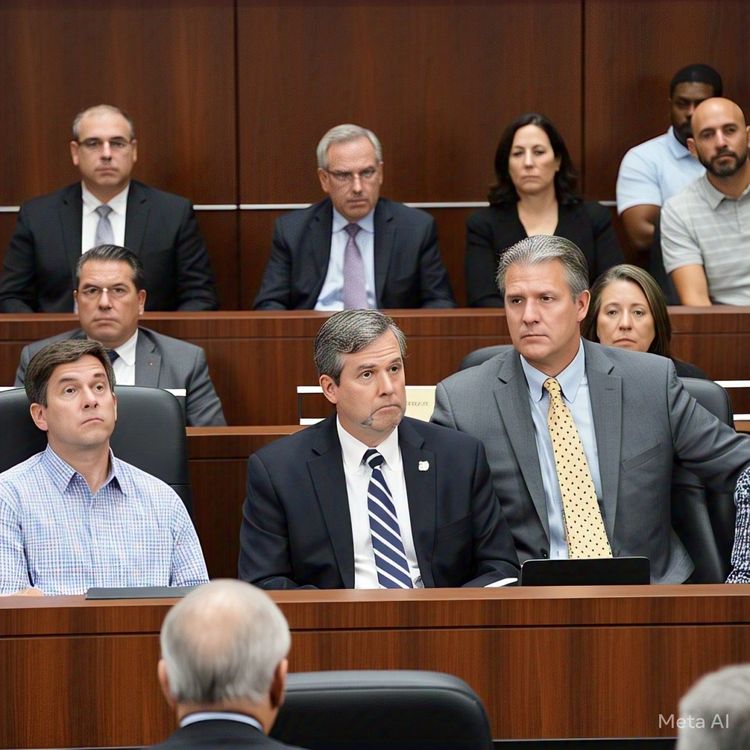
If you've ever asked yourself, "What happens at a Personal Injury Trial?" you're not alone. People imagine a courtroom drama with emotional witnesses, fierce lawyers, and a judge who looks like they walked out of a legal movie. Real trials? They're often far more methodical, slow-moving, and strategic.
Clients walk into their lawyer's office thinking the trial is the main event. In reality, the moments before the trial often matter just as much. Several moving parts shape the outcome long before a juror even hears the first word.
Understanding how each stage works helps you feel more in control, especially when everything else feels uncertain. So let's walk through the reality of what happens in court, what lawyers don't always explain upfront, and why some cases settle at the last minute.
Pre-Trial Motions
Pre-trial motions lay the foundation for everything that follows. Lawyers use them to frame the battlefield and control what the jury sees. One attorney may try to exclude specific evidence. Another might argue to dismiss part of the case before it ever reaches the jury. It becomes a strategic dance where every move has consequences.
These motions can shape the tone of the trial. Judges decide whether medical records are allowed, whether an expert can testify, or whether a piece of video footage is too prejudicial. Some motion hearings last five minutes. Others stretch into marathon sessions that feel like they age you a few years.
Opening Statements
Opening statements are the moment both sides finally speak directly to the jury. Lawyers don't argue here; they preview. They try to present a narrative that makes jurors want to lean in rather than tune out. Reasonable attorneys treat this like the hook of a marketing campaign. Neil Patel always says, "If you lose people at the start, you might not get them back." The same holds in a courtroom.
One attorney told a jury, "This case isn't about blaming anyone. It's about giving a mother her ability to walk without pain again." That line stuck with the jurors. Emotional framing works when used responsibly, and many trial lawyers rely on real human stories to connect with the jury.
Defense teams often take a more cautious tone. They might say the injuries aren't as severe as claimed or that the plaintiff is partly at fault. These statements set expectations, and seasoned jurors know they're hearing two very different angles of the same event.
Openings give both sides a chance to add personality. Jurors don't remember every fact, but they remember how someone made them feel. Trials hinge on credibility, and it's here that the first impression forms.
Jury Selection
If you picture lawyers pointing and shouting "Objection!" during jury selection, TV has misled you. The real process—called voir dire—is more like a casual conversation with enormous consequences.
Lawyers try to spot biases. Some jurors might distrust injury claims. Others may have worked in insurance. A few might have been involved in crashes themselves and carry emotional baggage. Attorneys listen closely to tone, body language, and even hesitation. One juror once admitted he believed "people sue too much these days," yet insisted he could be fair. The plaintiff's attorney used a peremptory strike to excuse him, believing instinct over reassurance.
The jury that emerges becomes the heart of your trial. They'll listen, judge credibility, and decide compensation. So when wondering "What Happens at a Personal Injury Trial?", know that this step can quietly determine the end long before the first witness speaks.
Post Testimony Motions
After all witnesses finish testifying, lawyers often file post-testimony motions. These motions ask the judge to decide before the jury reaches a verdict. They might argue that specific claims lack enough evidence. They might request to strike or limit testimony that slipped through earlier.
These motions rarely get public attention, but they're crucial. Think of them as quality control. One plaintiff's attorney once asked the court to issue a directed verdict after the defense failed to prove shared fault. The judge agreed. That decision drastically boosted compensation by removing comparative negligence as a factor.
Judges don't grant these motions. However, they serve an essential strategic purpose: they preserve issues for appeal. Competent lawyers think several moves ahead.
Witness Testimony and Cross-Examination
Witness testimony is where stories transform into evidence. Plaintiffs describe pain levels, lost opportunities, and how injuries disrupt daily life. Doctors explain medical findings. Experts simplify complex topics like accident reconstruction. Each witness adds a layer of credibility.
Human moments happen here, too. Juries watch how witnesses act, not just what they say. One person cried,d describing how his daughter couldn't hug him without hurting his ribs. No chart or medical bill could match the impact of that moment.
Lawyers love this stage because it's where facts breathe. It's the difference between reading a story and hearing it from someone who lived it.
Settlement Negotiations
Negotiations don't stop when a trial begins. In many cases, they intensify. No one wants to risk losing completely, so both sides measure the trial's progress and reconsider their positions.
Negotiations often take place in hallways, conference rooms, or even during lunch breaks. A case can settle minutes before closing arguments. One attorney shared how a defendant doubled their offer after seeing the plaintiff testify with honesty and vulnerability. Jurors responded to her sincerity, and the defense sensed a costly verdict approaching.
Insurance companies analyze trial momentum. They use real verdict data from similar geographic areas. They compare the plaintiff's injuries to past outcomes. This data-driven approach mirrors the way marketers—like Neil Patel—track campaign performance and make decisions based on patterns, not guesswork.
Discussing settlement during trial can feel stressful for plaintiffs. They worry about accepting too little or holding out too long. Lawyers help weigh risk versus reward because once the jury decides, there's no renegotiation.
Discovery Process
Discovery begins months before trial and shapes every legal decision. Both sides exchange information—medical records, police reports, expert evaluations, employment history, even phone data if relevant. Attorneys want to eliminate surprises. They examine every detail like detectives searching for clues.
Depositions occur during this stage. These interviews are recorded and can significantly influence how the trial unfolds. One witness once admitted during a deposition that they "didn't really remember the impact clearly," even though they earlier claimed certainty. That single moment weakened the defense.
People unfamiliar with the system sometimes underestimate the emotional toll that discovery can take. Plaintiffs relive traumatic events repeatedly. They submit to medical exams requested by the defense. Discovery can feel invasive, but courts require transparency to ensure fairness.
Resolution Before Trial
Most personal injury cases resolve before trial. Statistics show nearly 90–95% settle early. Why? Trials take time, money, and emotional energy. Many plaintiffs prefer certainty over risk.
Some judges encourage early mediation. Mediators step in to facilitate a structured negotiation. These sessions can last hours or stretch into late-night discussions. One mediator recalled a case that wrapped up at 1:15 a.m. because neither side wanted to walk away without a final number.
Sometimes, lawyers advise clients to settle when the evidence is weaker than expected. Other times, new information during discovery changes the entire direction of the case. Adjusters constantly evaluate risk, and companies prefer to limit liability when possible.
Resolution before trial doesn't mean "giving up." It often means choosing stability over uncertainty.
Settlement
A settlement is more than a check. It represents closure, relief, and the chance to rebuild life. Once parties agree, lawyers draft detailed documents. These outline terms, release language, payment timelines, and any confidentiality requirements.
Some settlements include structured payments, especially for younger plaintiffs or severe injuries. Others are lump sums. Lawyers typically explain tax considerations to ensure clients understand net recovery.
Conclusion
Understanding "What Happens at a Personal Injury Trial?" helps reduce anxiety and prepare you for the road ahead. A trial is not a single event. It's a series of strategic steps—motions, testimony, arguments, and negotiations—all aimed at revealing the truth and securing justice.
Whether your case settles or goes the distance, knowing what to expect empowers you. If you're facing this process, ask questions, stay involved, and choose an attorney who communicates openly. Your story matters, and the system exists to give that story a voice.
If you want help preparing for a case or understanding your next steps, start by writing down your questions. What worries you most about the trial? What outcomes feel fair to you? Start there.